
PEST IDENTIFICATION GUIDE

Bees, Wasps & Yellow Jackets

Correct identification helps distinguish beneficial pollinators from aggressive nest-defending wasps and structural nesting species.

Visual Examples

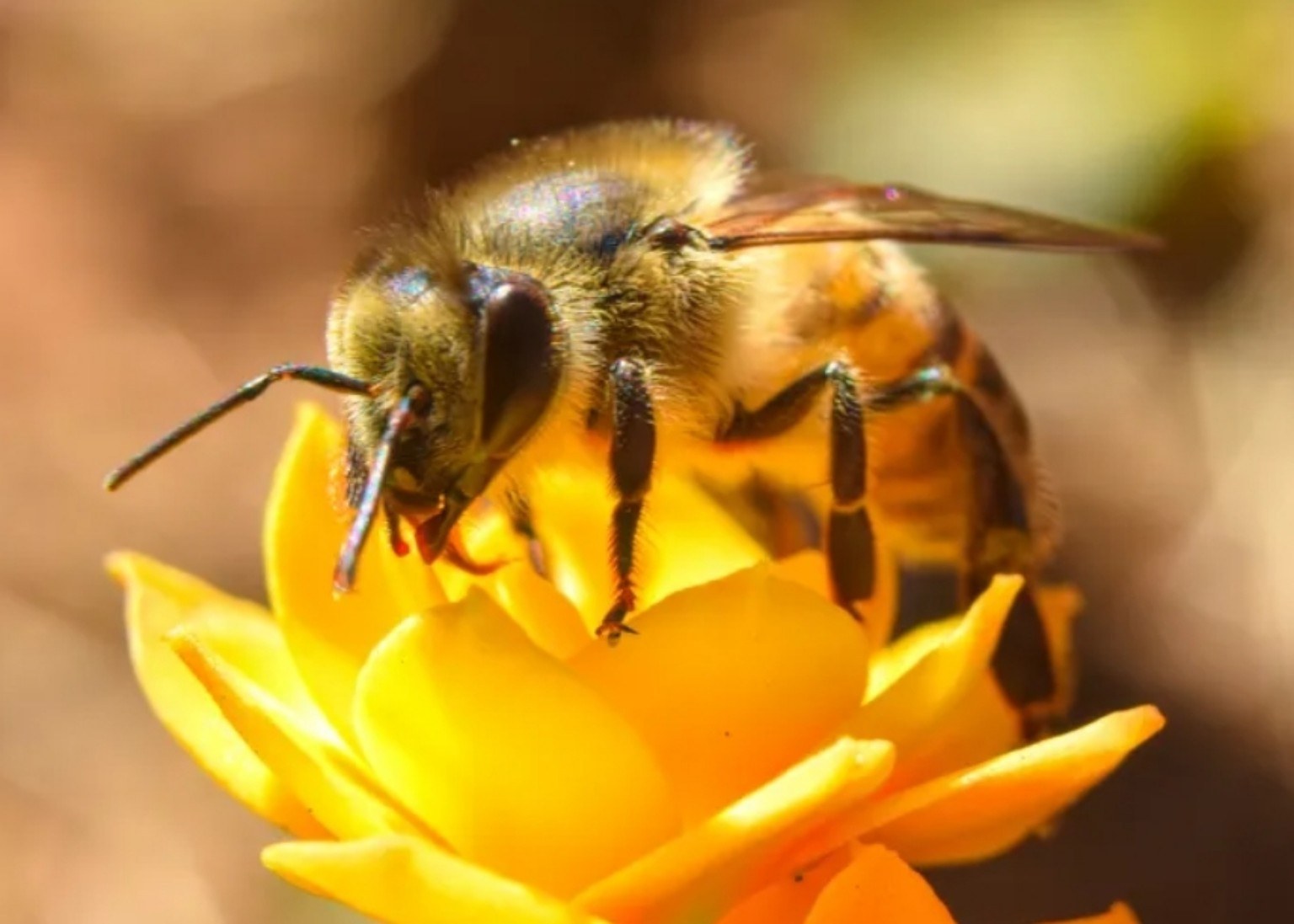
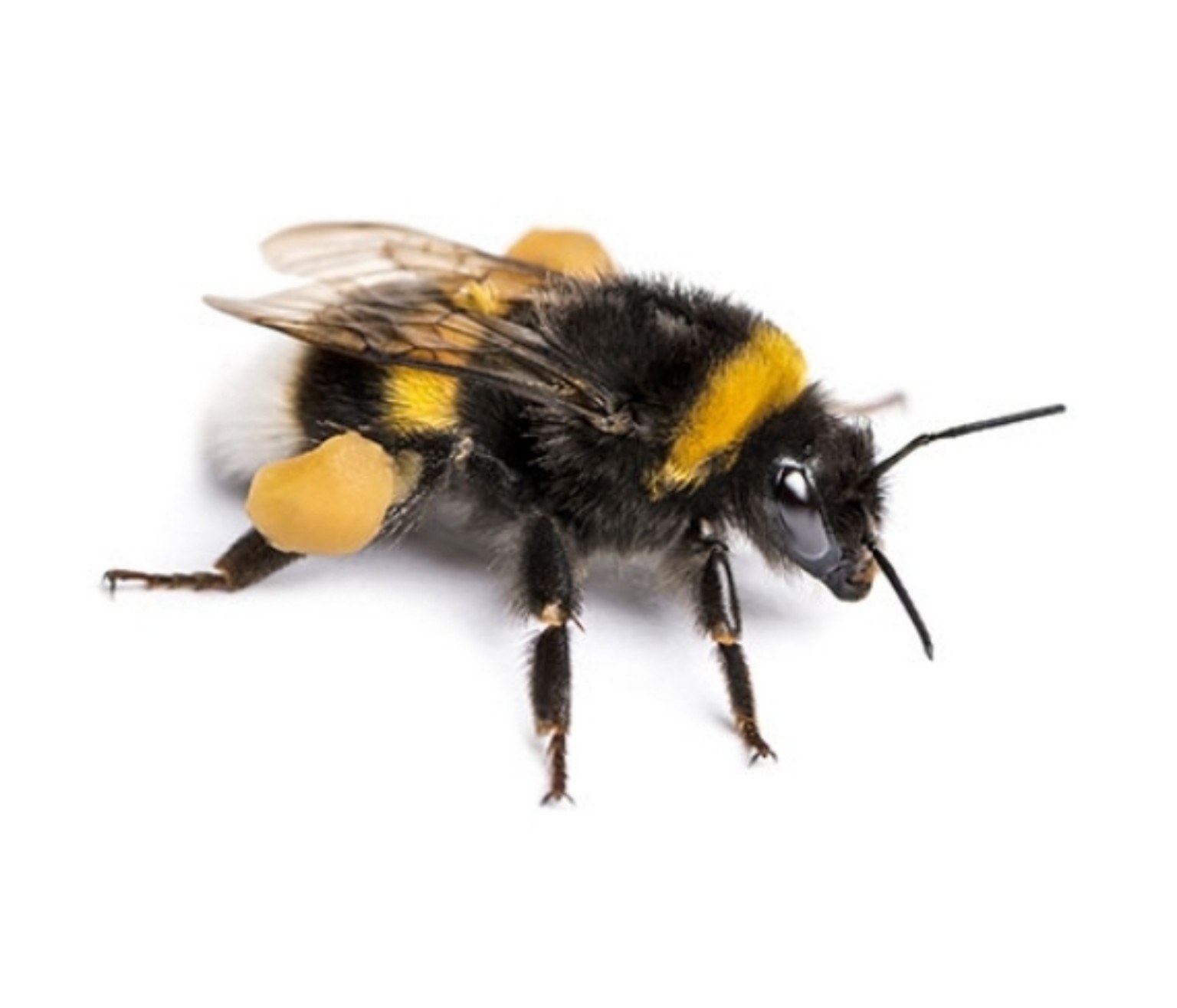
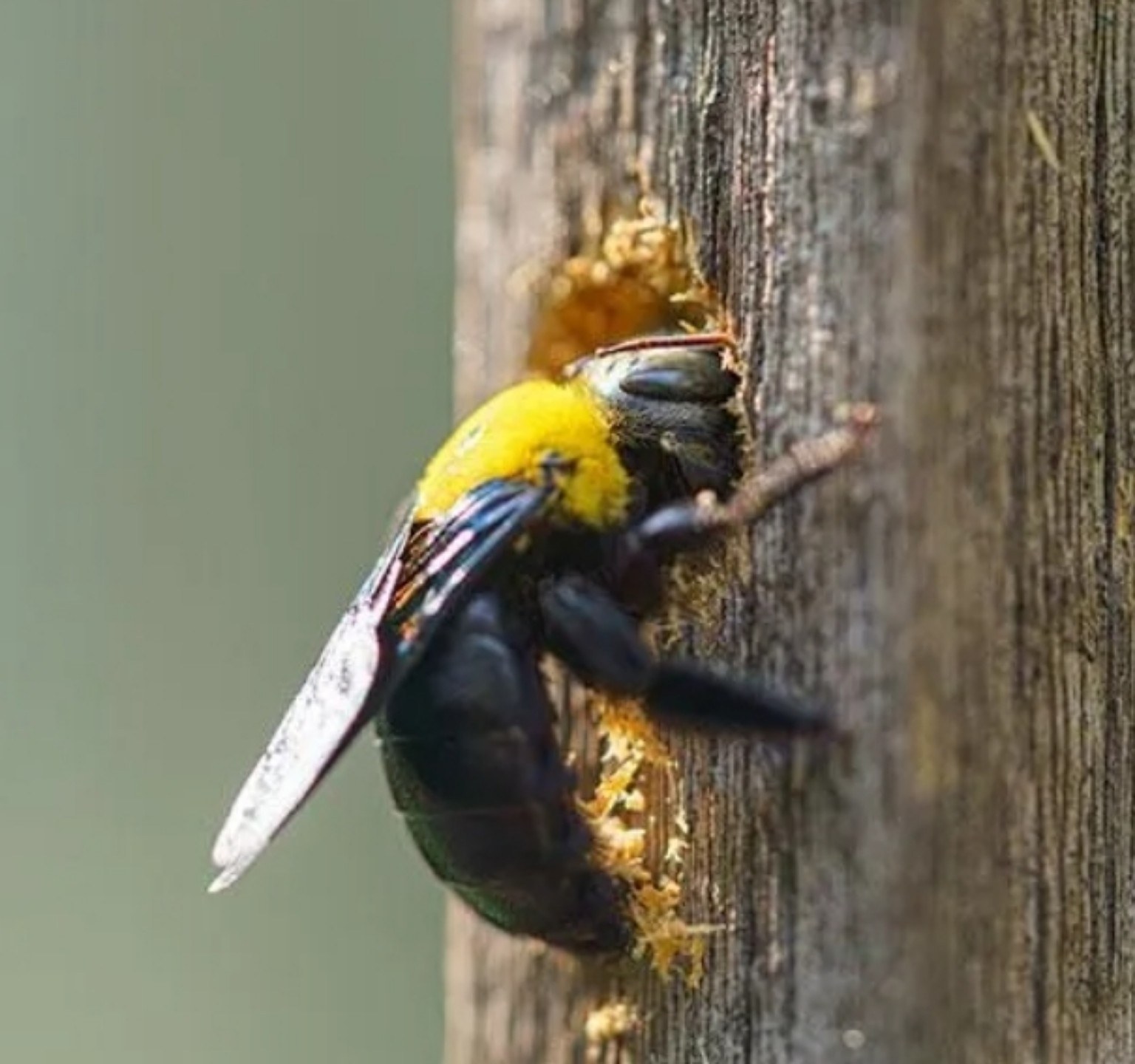
Honey bee close-up identificationHoney Bee Bumble bee close-up identificationBumble Bee Carpenter bee close-up at woodCarpenter Bee
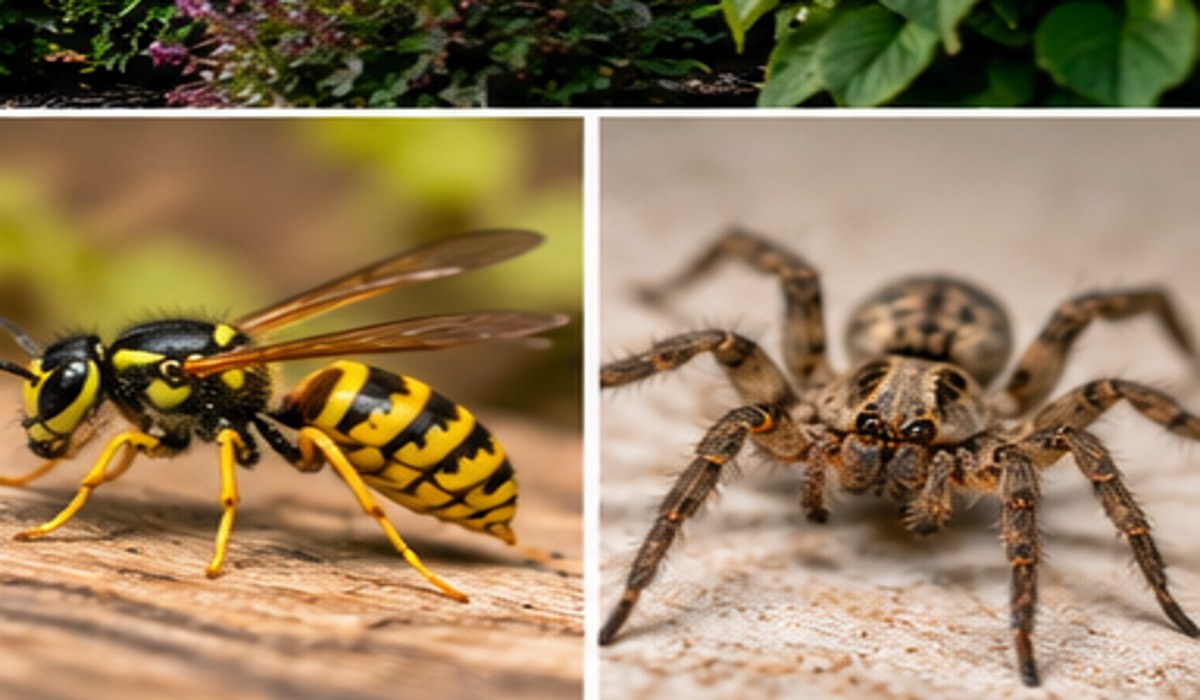
Yellow Jackets identification example

Yellow Jackets

Compact yellow-and-black wasps that may nest underground or in structural voids.

Favorable conditions / habitatProtected cavities, old rodent burrows, wall voids and areas near food.
When activeDay-active; colonies become especially noticeable in late summer.
What to look forHeavy flight to one opening, ground holes or wall-void entry points.
Think this is what you have?
Request identification or service →
Paper Wasps identification example

Paper Wasps

Slender wasps with long legs that build open paper combs.

Favorable conditions / habitatEaves, soffits, railings, sheds and protected overhangs.
When activeDay-active in warm weather.
What to look forUmbrella-shaped open comb with visible cells.
Think this is what you have?
Request identification or service →
Carpenter Bees identification example

Carpenter Bees

Large bees that bore round holes into wood to create nesting galleries.

Favorable conditions / habitatBare or weathered wood, fascia, decks, trim and structural lumber.
When activeDay-active, especially in spring.
What to look forNearly round entry holes, coarse sawdust and staining below holes.
Think this is what you have?
Request identification or service →
Honey Bees identification example

Honey Bees

Social bees that form large colonies and produce wax comb.

Favorable conditions / habitatTree cavities, wall voids and other protected cavities.
When activeDay-active when temperatures permit.
What to look forSteady traffic to a cavity; comb and honey may be present.
Think this is what you have?
Request identification or service →
Bumble Bees identification example

Bumble Bees

Large fuzzy bees that often nest in protected ground or cavity sites.

Favorable conditions / habitatAbandoned burrows, dense vegetation and protected cavities.
When activeDay-active pollinators.
What to look forRepeated traffic to a low opening or concealed cavity.
Think this is what you have?
Request identification or service →

See Something You Want Identified?

Tell Hoosier Pest Solutions what you're seeing and where you're seeing it.

REQUEST SERVICE
Request Service